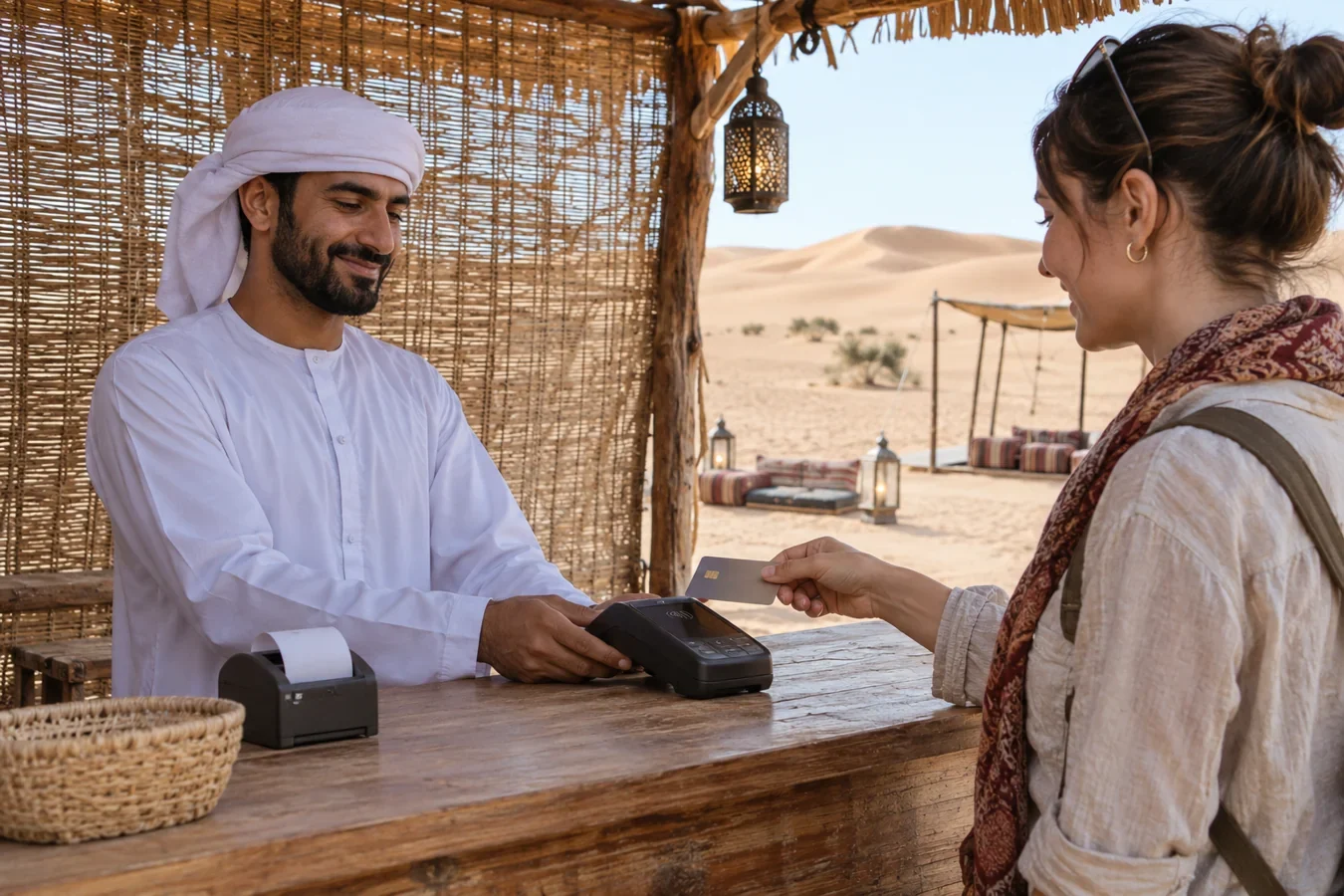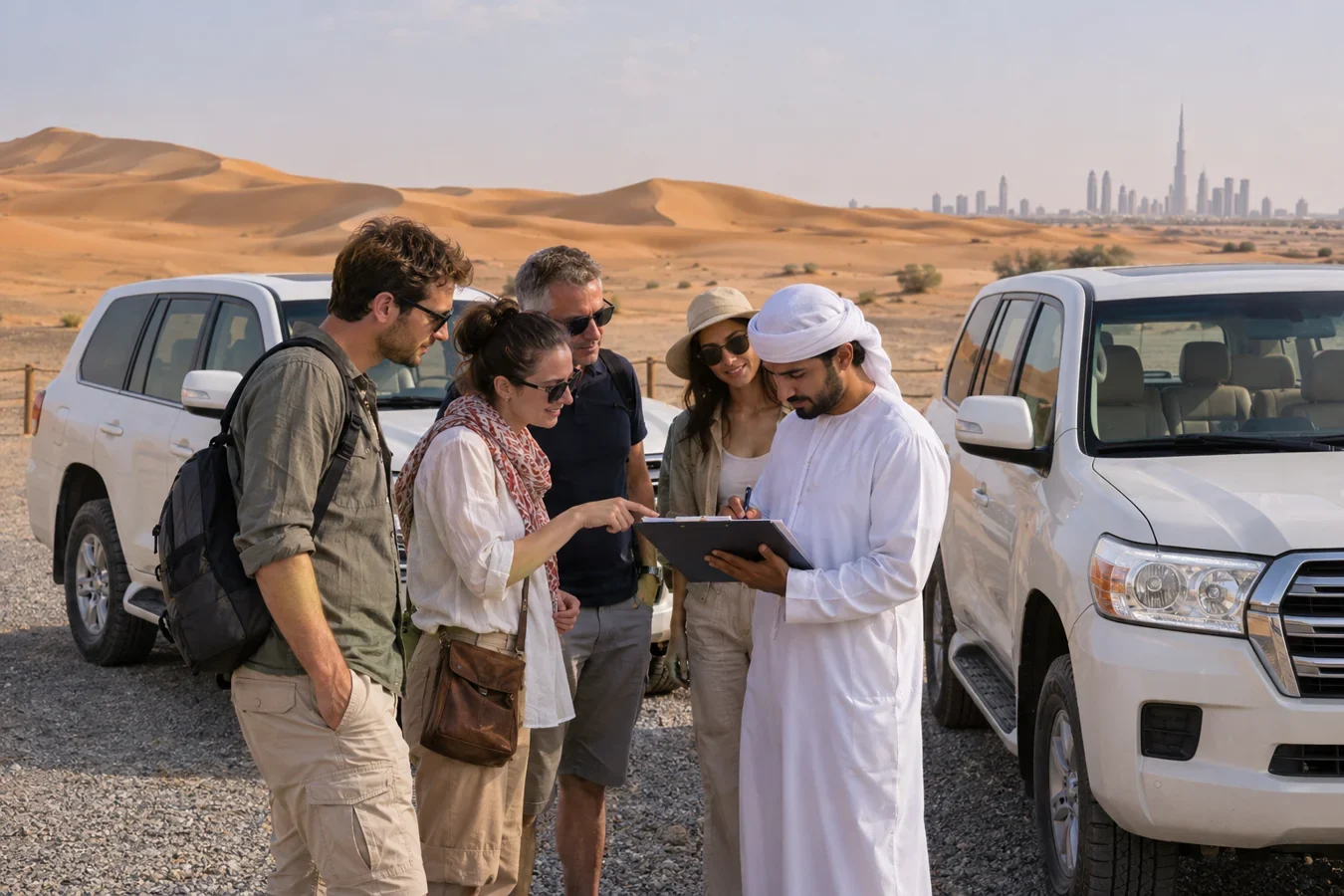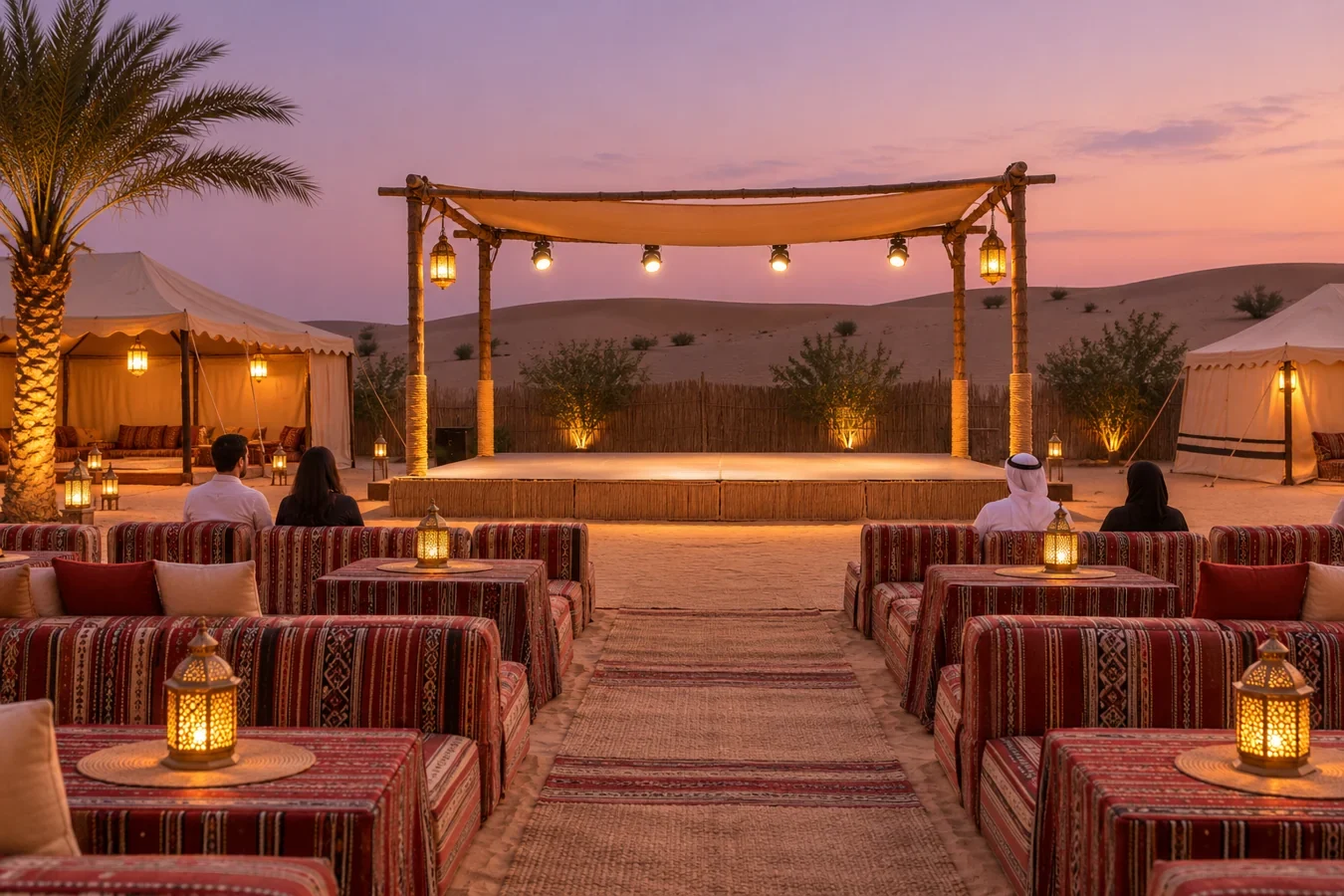

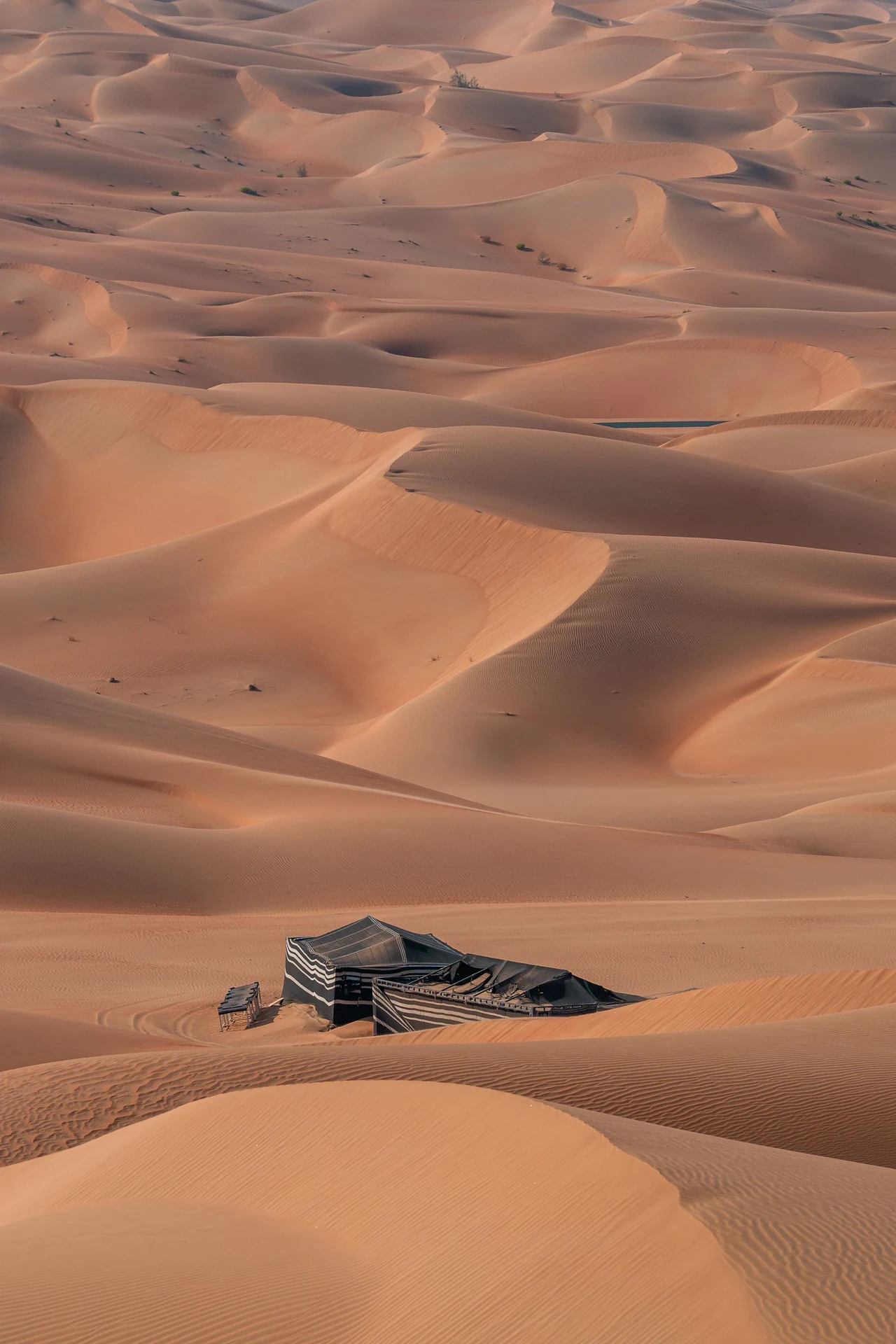
Representative desert camp image. Confirm the actual accommodation and facilities before booking.
An overnight desert safari in Dubai can turn a busy holiday into a slower, more memorable night. You leave the city, spend an evening in the desert and stay until the next morning. The idea sounds simple. Choosing the right stay takes a little more care, because two packages with the same name can offer very different sleeping areas, meals and transport.
This guide helps you decide what to ask, what to pack and how to compare the full cost. It is for couples, friends and families who want clear answers before paying. You do not need to know anything about camping. Start with the kind of night you want, then check whether the available package can provide it.
You can see the site's overnight desert safari enquiry page while you read. Treat that page as a starting point for a conversation. Your final written booking should name the actual camp, sleeping arrangement, inclusions and price for your date.
What is an overnight desert safari in Dubai?
An overnight safari is a desert outing that includes a place to sleep and a return the following day. It may begin with an afternoon transfer and an evening programme. After other visitors leave, overnight guests remain at the camp or move to their sleeping area. Morning arrangements may include breakfast before the return journey.
That is the general idea, not a promise about every package. A simple camping stay and a more comfortable desert lodge can both be sold as overnight experiences. A tent does not tell you whether there is a proper bed. The word camp does not tell you whether a shower is available. Ask for details that describe the stay in plain words.
Overnight stay, evening safari or desert dinner?
Choose an overnight stay when the night itself is a main reason for going. Choose an evening desert safari when you want sunset and camp time, then prefer to sleep at your hotel. A desert dinner experience may suit guests whose main interest is the setting and meal. Check transport and activities for each option rather than assuming they match.
Decide what a good night means to your group
Before searching for the lowest rate, ask everyone one question: what would make this night enjoyable? One person may want quiet outdoor time. Another may need a private bathroom. A child may be excited about breakfast in a new place but uncomfortable sleeping in an unfamiliar tent. These answers matter more than a long list of activities.
Write down three must-haves and three nice-to-haves. A real bed might be essential. A guided star session might be optional. Keep the list short so it is easy for the team to check. Share it with the person preparing your quote. If something cannot be provided, you can decide before the booking becomes a disappointment.
For couples and friends
Ask whether the sleeping space is private to your group and whether other guests stay nearby. If you want a peaceful evening, ask about music, shared areas and the time the main programme finishes. The desert can feel calm, but an operating camp is still a shared venue. A romantic photograph alone cannot show how the evening sounds or how close neighbouring accommodation is.
For families
Check the route from the sleeping area to the washroom, lighting after dark and who can help overnight. Share children's ages when asking about beds and vehicle seats. For more ideas before choosing activities, read the desert safari with kids guide. A good family plan leaves room for rest and allows an adult to skip an activity when needed.
Check the sleeping arrangement before comparing prices
Ask what you will actually sleep in. Is it a tent, a room or another type of shelter? Will your group share it with anyone else? Is the bedding on the ground or on a raised bed? Ask how many separate beds are included, rather than relying on a maximum occupancy number. Six permitted guests does not necessarily mean six separate beds.
Request recent photos of the accommodation category offered for your date. A general camp image may show a different option or only a common seating area. Check whether the photo is representative. If you are promised an upgrade, make sure its exact name appears in the quote. This gives both you and the operator the same clear record.
Bedding, temperature and charging
Confirm whether sheets, pillows and blankets are supplied and whether extra bedding is available. Ask about ventilation, cooling or heating if these are important to your comfort. Do not assume that a power socket shown in a photo will be near your bed. Find out whether phones can be charged and bring a charged power bank if you depend on your phone.
A small torch can help when moving around unfamiliar paths. Use it to see where you are going, not to shine into other guests' sleeping areas. Ask whether pathways stay lit through the night. If you need to leave a light on for a child, discuss that before arrival, especially if the sleeping area has limited electricity.
Washrooms and showers deserve their own questions
A bathroom can be the detail that decides whether an overnight stay feels comfortable. Ask whether toilets are private or shared, how far they are from the accommodation and whether the route involves loose sand or steps. Someone who walks easily in a city may still find a dark sandy path difficult while carrying a wash bag.
Ask separately about showers, towels, hot water and changing space. A toilet does not automatically mean there is a shower. If a shared washroom is not suitable for your family, say so early. Request an honest description instead of accepting a vague answer such as good facilities. Clear questions help the team suggest a better option when necessary.
Understand pickup, desert driving and the morning return
Confirm the pickup location and the expected collection window. A shared transfer may collect other guests, while a private vehicle may follow a different route. Tell the team your actual hotel or address before accepting a price. A broad area name is useful at first, but the exact location helps avoid misunderstandings about coverage and extra transport costs.
Ask whether the overnight booking includes dune bashing and whether you can avoid it. A private vehicle does not by itself guarantee a gentle journey. If you prefer a smoother trip, discuss the route explicitly and compare the safari without dune bashing. The overnight accommodation and the driving programme should each be confirmed.
Leave a comfortable gap the next morning
Ask when breakfast starts, when the vehicle leaves and when you are likely to reach your drop-off point. These are different times. Road conditions, other passengers and operational changes can affect the return. Tell the operator about a flight, cruise departure or timed ticket. If the connection is tight, a hotel night and a separate evening safari may be easier.
The safari timings guide explains useful questions about pickup and duration. Keep the following morning light if you can. A relaxed breakfast becomes less enjoyable when you are checking your watch every few minutes. Build your holiday around a realistic return window, rather than the earliest time that might be possible.
How to compare overnight desert safari prices fairly
Compare the total payable amount for the same group and date. A per-person headline can hide a difference in transport, accommodation or meals. A low starting rate may be for a different sleeping category. Ask each provider to describe the exact version being quoted. Then compare equivalent arrangements, rather than choosing between two unrelated starting prices.
The site's desert safari price guide helps you think about package differences. For overnight stays, put accommodation and morning arrangements at the top of your comparison. These are the features that distinguish a night in the desert from an evening outing. There is no single overnight rate that fits every camp and every travel date.
A simple quote comparison sheet
Travel date, number of adults and children's ages.
Pickup and drop-off locations, with shared or private transport.
Named accommodation type, occupancy and bed setup.
Private or shared washrooms, shower access and bedding.
Dinner, breakfast, drinking water and other included drinks.
Confirmed activities, optional extras and any compulsory charges.
Total payable amount, payment terms and cancellation conditions.
Imagine one quote includes breakfast and hotel transport, while another lists only the stay. The second can look cheaper until you add the missing items. You do not need a complicated spreadsheet. Put the two offers side by side and mark anything unanswered. Ask for the missing detail before making a payment or choosing an upgrade.
Keep optional spending separate
Decide in advance whether you want paid activities, a room upgrade or other extras. An optional ride is easier to consider when you know its duration and full cost. Do not feel that you must buy every activity to have a worthwhile night. A comfortable stay, an enjoyable meal and time together may be all your group wants.
Dinner, breakfast and drinking water
Ask whether dinner and breakfast are included, how they are served and what time they are available. A buffet, a set meal and a light breakfast are not the same arrangement. If a child eats early, ask what options are practical. If you arrive late, check whether a meal can still be provided rather than assuming food will remain available.
Confirm drinking-water arrangements for the evening, night and following morning. Ask which drinks cost extra. Share dietary requirements before booking and request a clear response. For a food allergy, discuss ingredients and cross-contact with the provider. A menu label alone may not answer those questions. Avoid relying on an informal promise made only after you arrive.
Plan around your normal routine
You know your group's habits better than a brochure does. Someone who needs an early breakfast should ask about timing. Someone who usually has a small evening meal may prefer to focus on the stay rather than buffet variety. Bring any agreed personal snacks in suitable packaging, check venue rules and keep all litter contained.
Activities, sunset and time outdoors
Ask which activities are actually part of the overnight package. A sunset stop, camel encounter, sandboarding session or performance may depend on the selected programme. Do not treat a gallery of desert activities as a list of inclusions. If one activity is the reason you want to book, name it in your enquiry and get its availability confirmed.
Leave enough space in the plan to enjoy the setting. Moving from one queue to another can fill the whole evening. Tell your guide if you would rather spend a little time taking photos or sitting quietly in an approved area. Ask what is possible within the schedule, especially when the transfer and camp programme are shared with other visitors.
Stargazing is a possibility, not a guarantee
Cloud, moonlight, nearby lighting and other conditions can affect the sky you see. Ask whether the camp offers a guided session, a suitable viewing area or simply time outdoors. These are different experiences. Do not book on the assumption that every night will look like a heavily edited photograph of the Milky Way. A pleasant evening can still be worthwhile without a dramatic sky.
What to pack for one night
Choose a small bag that is easy to carry and fits the confirmed luggage allowance. Start with comfortable clothes, suitable walking shoes, toiletries, essential personal items and a light layer. Add a change of clothes if you want one for the morning. Keep the bag simple. You will enjoy the stay more if you are not sorting through a full suitcase.
Use the desert safari outfit guide for clothing ideas. Ask the operator about conditions for your date rather than packing only for how the city feels at midday. Keep spare clothes and electronics inside closed bags to limit sand. Bring necessary medication in its normal packaging and keep it accessible during the journey.
A useful small-bag checklist
Booking confirmation and the team's contact details saved on your phone.
Comfortable clothes, a spare layer and shoes suitable for sand.
Toiletries and any personal items you need before bed.
Charged phone, charging lead, power bank and small torch.
Sun protection for the afternoon and morning outdoors.
A reusable bag for your rubbish and another for sandy items.
Check whether towels, bedding and drinking water are provided before adding them to your bag. Keep jewellery and unnecessary valuables to a minimum. If you use glasses, bring a case. If you need a particular personal item to sleep comfortably, such as earplugs, pack it yourself rather than assuming a camp can supply it.
Comfort, access and help after dark
Tell the booking team about practical access needs before paying. Ask about steps, loose sand, the distance from the vehicle to the accommodation and the washroom route. Request a clear description that matches the person travelling. A general statement that the camp is family friendly does not answer whether a wheelchair or walking aid can be used on those paths.
Find out who remains on site overnight and how to contact staff. Save the contact information before leaving the city. Ask what to do if someone wants to return early or feels uncomfortable. You do not need to expect a problem to have a plan. Knowing where help is available makes an unfamiliar night feel much easier.
Respect the camp, the desert and other guests
Stay in the areas approved by your guide, especially after dark. Do not walk away from the camp to chase a photograph or a quieter view. Loose sand, changing light and unfamiliar surroundings can make distances hard to judge. Tell a member of staff where you want to go and follow their instructions about safe routes.
Keep noise low around sleeping areas. Ask permission before taking close photographs of people. Do not feed wildlife or leave food outside. Carry litter back to the bins or the place staff identify. These are small actions, but they help keep shared areas pleasant and protect the setting that everyone came to enjoy.
Weather changes, cancellation and backup plans
Read the cancellation terms before you pay. Check deadlines, refund conditions and what happens if the provider changes the programme. Ask about weather-related decisions and how you will be contacted. A booking may still operate with some activities altered. Understand whether those changes affect the accommodation, transport or price, rather than assuming the whole package is handled in one way.
Make a backup plan if your holiday has only one free night. You may decide that a shorter desert visit is easier to fit around other plans. The morning versus evening planning guide can help with that choice. Flexibility is useful, but any replacement should still suit your group and be clearly agreed.
A clear overnight safari enquiry you can send
Try this wording: We would like an overnight desert safari on our chosen date for our group. Our pickup address is listed below. Please confirm the accommodation type, beds, washrooms, bedding, meals, drinking water, activities, transport and total payable amount. We prefer a quiet stay and would like to know the expected return window the following morning.
Add children's ages, dietary requests, access needs and whether you want to avoid dune bashing. Include any fixed plan the next day. Send your questions through the contact page or make a booking request. An enquiry does not reserve accommodation until the team confirms availability and the required booking steps.
10 frequently asked questions about overnight desert safaris
1. What is usually included in an overnight desert safari in Dubai?
Packages may combine transport, evening activities, dinner, accommodation and breakfast, but the list varies. Ask for the exact inclusions for your date and sleeping category. Check bedding, water and washrooms separately. Only the items confirmed in your written booking should be treated as included, even if other activities appear in the provider's photographs.
2. How much does an overnight desert safari cost?
The total depends on accommodation, group size, date, meals, transport and extras. Ask for a current itemised quote instead of relying on a general starting price. Compare the same sleeping standard and pickup arrangement across offers. Check the full payable amount and any required charges before choosing which option offers better value for your group.
3. Will we sleep in a private tent?
That depends on the booked accommodation. Some options may use tents, while others use rooms or different shelters. Ask whether the space is exclusive to your group, how many beds it contains and whether it has a closing door or zip. Request photos of the actual category being offered rather than assuming all camp accommodation is identical.
4. Are toilets and showers available?
Facilities depend on the camp. Ask whether toilets are shared or private and how far they are from your bed. Check showers, towels, hot water and the path after dark as separate points. If a private bathroom is essential, say so before booking and make sure the chosen accommodation includes it in writing.
5. Can children join an overnight safari?
Ask the operator about the specific stay and activities for each child's age. Confirm sleeping space, vehicle seating, washroom access and meal timing. A family may enjoy the experience more with fewer activities and an earlier rest. Do not assume that a child's acceptance at the camp also means every optional ride is suitable.
6. Can I stay overnight without dune bashing?
Ask whether the provider can arrange a direct or gentler transfer with the overnight accommodation. Confirm the route and any extra cost before paying. Avoiding dune bashing needs to be a clear part of the booking. A private car, a quiet camp or a short desert drive does not automatically answer that question.
7. What should I bring for one night?
Bring a small bag with clothes, a spare layer, toiletries, essential medication, a charged phone and useful charging equipment. Suitable shoes and a small torch can help around camp. Check what bedding, towels and water are supplied. Keep valuables to a minimum and confirm luggage space if you are travelling between hotels.
8. Will I see a sky full of stars?
It is possible, but no particular view can be guaranteed. Cloud, moonlight and local lighting affect visibility. Ask if the camp offers a guided activity or an appropriate place for viewing. Choose a stay you would still enjoy if the sky is less clear than hoped, and remain within the areas approved by staff.
9. What time will I return to Dubai?
Your package should provide an expected departure and drop-off window for the following morning. Confirm both, since leaving camp and arriving at your hotel are different events. Tell the operator about flights or timed bookings. Leave a generous gap for road and operational changes instead of relying on the earliest possible arrival.
10. How do I choose the best overnight safari for my group?
Choose the option that matches your sleeping comfort, transport needs, budget and pace. Confirm the essentials in writing, compare the full total and read the cancellation terms. The longest activity list is not always the best fit. A clear, comfortable plan usually provides more value than an attractive headline with unanswered questions.
Choose a night you can look forward to
A successful overnight desert safari begins with honest expectations. Know where you will sleep, how you will travel, what you will eat and when you will return. Once those basics are settled, it is easier to enjoy the light, space and company. Start with your group's needs, ask clear questions and book the arrangement that answers them.