A large Dubai desert safari booking often starts with a simple question. Can everyone go together? The answer depends on what you mean by together. Your group might travel in two vehicles but arrive at the same camp and sit at one table. You might all leave the same hotel yet need two drivers and two lists of passengers. Ask the operator to explain the plan from the first pickup to the final drop-off before anyone pays.
This guide shows you how to get a Dubai desert safari group booking quote, divide people between cars, and keep the group in touch. It works for a family reunion, a trip with friends or a small team outing. Start with your real headcount and the places people are staying. Those two facts tell the operator more than a request for a group price on its own.
Count the group before you ask for cars
Write down how many people expect to go and how many are still deciding. Tell the operator about adults and children separately. Ask how it counts each person for seats and prices, and give the ages of children when the operator needs them to confirm arrangements. A child price, a small person and an available vehicle seat are three separate points. Get an answer for each before you ask people to pay their share.
Send the number of confirmed guests and the biggest number you might have. If ten people are sure and two may join, ask for a quote for ten and what changes at twelve. Ask whether adding another person could require another vehicle. The quote guide for two, four and six guests explains how to read a smaller group quote. The same idea applies to a larger party once you confirm the plan for every car.
Check how many guests can ride in each vehicle
Ask for the number of guest seats available in the actual vehicle for each part of the trip. Find out whether the same vehicle collects you, goes to the activity area and takes you back. If you switch vehicles anywhere, ask how many seats there are after the change. Plan for the seating needs you know about before you assign names. An adult may need an easier way to get in, a family may want to sit together, or a child may need a seat arrangement that has to be confirmed in advance.
Write the operator's confirmed seat count next to each car. Suppose a quote gives you two cars with five guest places each. That covers ten guests in this example. If two friends join, ask the operator to quote again with twelve people and check what cars are available. Confirm the actual numbers for your own vehicles, because the same total can fit very differently depending on the cars used and the needs of the passengers.
Decide which guests need to stay together
Make a note of children who will ride with a parent or guardian. Then list people who are sharing a pickup, guests who need an easier seat, and anyone who might want to leave earlier. Put these groups into cars first. The remaining places are easier to assign once the needs of those people are covered. Ask the operator to check the list if it includes a request about a particular seat.
Avoid promising a specific car or seat until you have an answer. If the operator says the driver confirms the final arrangement on the day, tell your guests how that will work. For example, you might ask two adults to help split the group at pickup. Each adult can confirm their car's list before it leaves. One named person can handle changes with the booking contact.
Build a pickup plan that drivers can follow
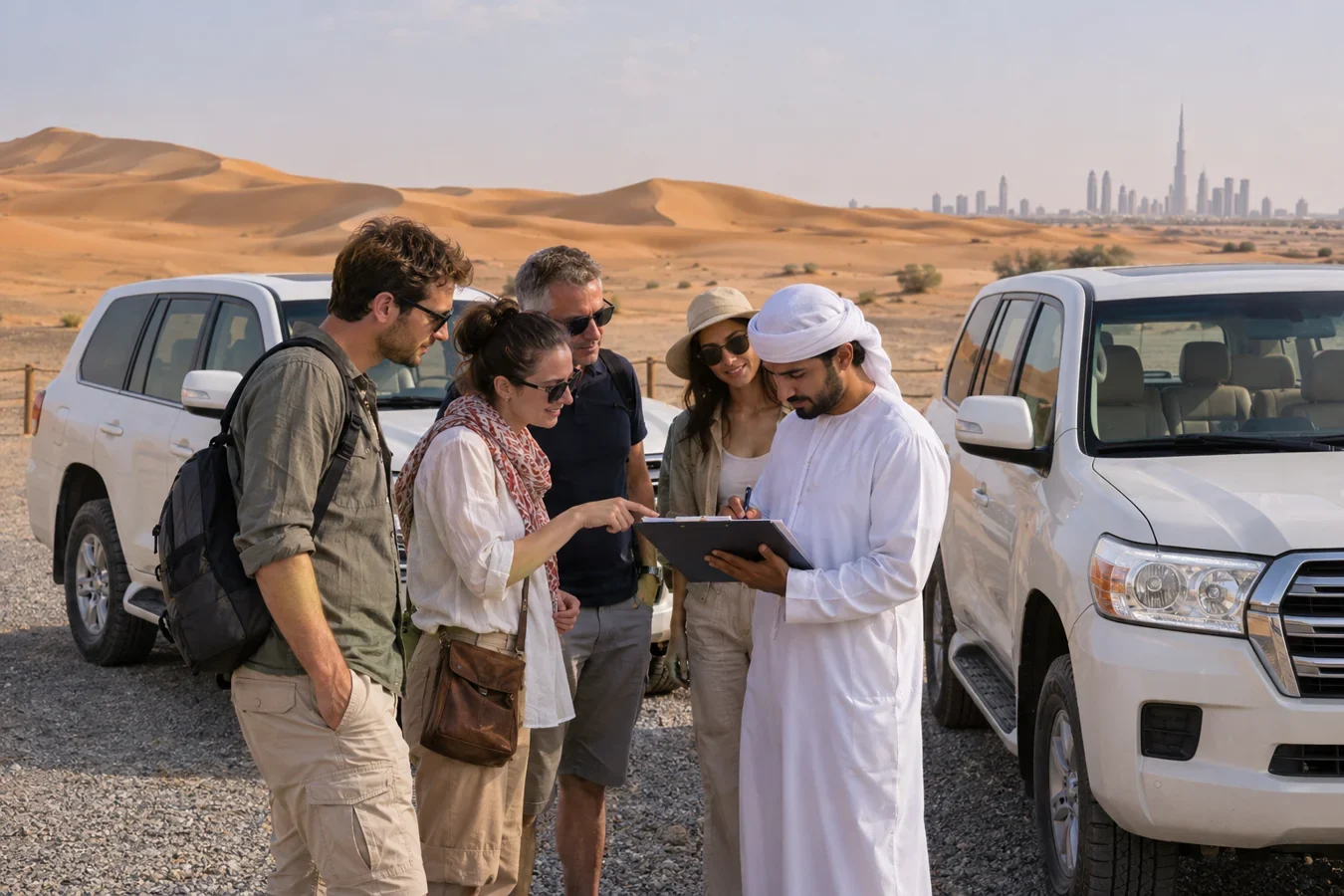
Give the operator the full address and entrance for every pickup. A hotel name may have more than one branch, and a building may have a taxi bay and a separate entrance for private vehicles. Ask where each guest should wait. If two hotels are close together, ask whether everyone should meet at one or whether the cars can collect from both without affecting the schedule.
Send the approved addresses and windows to the guests who need them. If the first and second cars will arrive at different times, state which guests belong to each. Ask the operator what happens if one car is delayed. A group can enjoy the first stop more easily if everyone knows whether to wait or start a planned activity. Use the Dubai desert safari pickup guide for details to check about entrances and pickup windows.
Compare one shared pickup with separate hotel pickups
Imagine eight friends are staying at two hotels. Five are at one hotel and three at the other. If both cars collect from the first hotel, the three guests need time to get there and may pay for their own transfer. If the operator can collect at both hotels, find out whether that changes the price or the time each group leaves. Compare the total cost and the time your friends would spend waiting.
A common meeting point can work well when everyone is ready to travel together. Separate pickups can save a long trip across town for a few people. The better answer depends on the addresses and the operator's route. Ask the driver to confirm whether the two cars will meet before reaching the dunes or whether they travel straight to a shared stop.
Give every vehicle one point of contact
Choose one adult in each car to check messages and count the group. Give that person the driver's number or the operator contact the booking team wants you to use. Share the same itinerary with both car leads so they know the intended order. Ask them to update the main organiser when their group leaves the pickup point, gets to camp and is ready for the return.
The lead can also help when one person is missing. A short message with the booking name, pickup address and count is easier to act on than a series of separate calls. If the cars have to split up, ask the operator to say where they plan to meet again. Send that location to both leads so they can answer questions without guessing.
Find out where everyone can meet in the desert
Ask which stops all cars are expected to share. You may arrive at the same activity area but park in different bays. You may reach the same camp a few minutes apart. If a group photo matters, ask whether the guide can suggest a stop where everyone can stand together with enough time for the picture. A short stop with a large party can go quickly while people climb out and put their bags down.
Tell the operator what you want the group to do together. A family may want one meal and one group picture. A team may want everyone to arrive at the same time and hear a short welcome. That makes it easier to identify the parts of the schedule that need extra time. See the safari timing guide when you want to check what else might fit that day.
Keep optional activities from slowing the whole group
Make a list of activities each guest actually wants. Some may want the quad bike option, while others would rather rest or take pictures. Ask the operator which activities can happen at the same stop and where the rest of the group can wait. If an extra needs its own check-in or time slot, get that detail before everyone agrees to the same pickup and return.
For example, four guests might want to ask about a Dubai safari with quad biking while six want the standard tour. Ask whether those people can share transport and meet at camp later. Check who pays for the ride and whether the rest of the group can continue while the riders are at the activity area. A clear plan helps both groups use their time well.
Confirm dinner seating for the full headcount
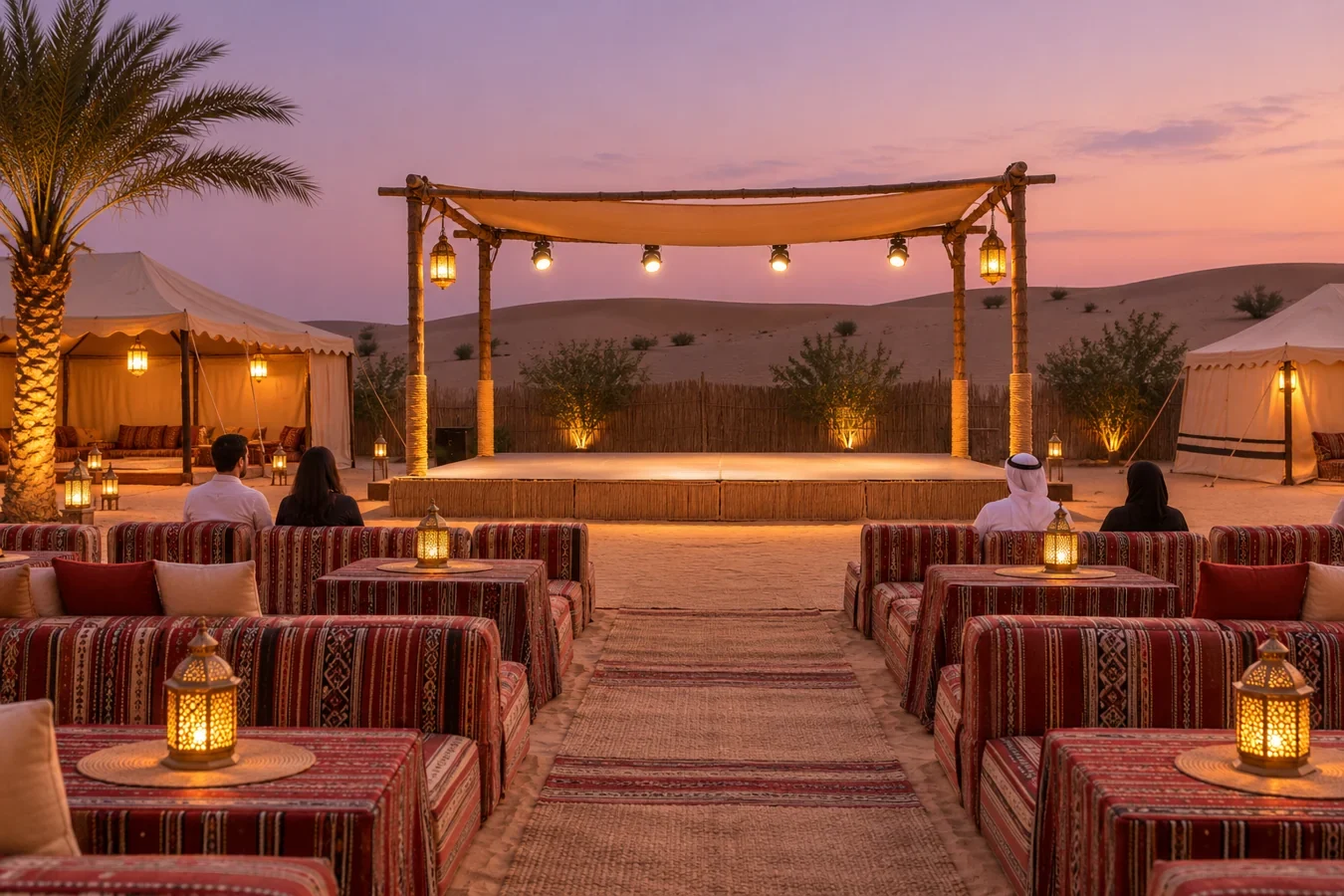
Tell the camp how many people want to sit together. Ask whether there is one table, two close tables or an assigned area. If people have separate bookings, give the operator all the booking references when you ask. Confirm what each guest can eat and what the camp can provide. If a person needs more space around a chair or a short way to the exit, explain that separately from the total headcount.
Ask when the meal usually starts and where the group can wait until everyone arrives. If one car reaches the camp late, find out whether its guests can still use the same meal arrangements. The evening safari dinner guide can help you ask about meal times and service before you get to the camp.
Compare the quote for the whole group
Ask for a breakdown that shows prices by guest, vehicle and optional extra. Put the package total at the top of your note. Below it, add any separate pickups, seat upgrades or extra activities you expect to buy. Then work out the amount for each person using the method you agree on. A group can split base costs evenly and ask the people who choose an extra to cover it, for example.
Say one quote is AED 1,100 for ten guests with two vehicles and dinner. Another is AED 1,020 for the same ten guests but asks AED 120 for a second hotel pickup you need. The second total would be AED 1,140 in that example. These are sample numbers for comparing quotes. Ask for the current total for your actual date. The desert safari cost guide can help you read the price lines.
Ask what changes if the headcount moves
Find out the deadline for confirming guests. Ask whether the quote holds vehicles until then, when a deposit is due, and what the operator can do if a guest drops out. One seat change may affect a per-person price differently from a quote for a whole car. Get an explanation of the refund or change terms before you take money from the rest of the group.
For a party with an uncertain headcount, pick one time for guests to make a decision. Give the operator a final number after that point and make sure the quote uses it. If someone asks to join after you confirm, check with the operator before offering a place. Capacity can be limited even if there is room at your dinner table. Read the cancellation and rescheduling guide before collecting any non-refundable amount.
Decide who handles payment and records
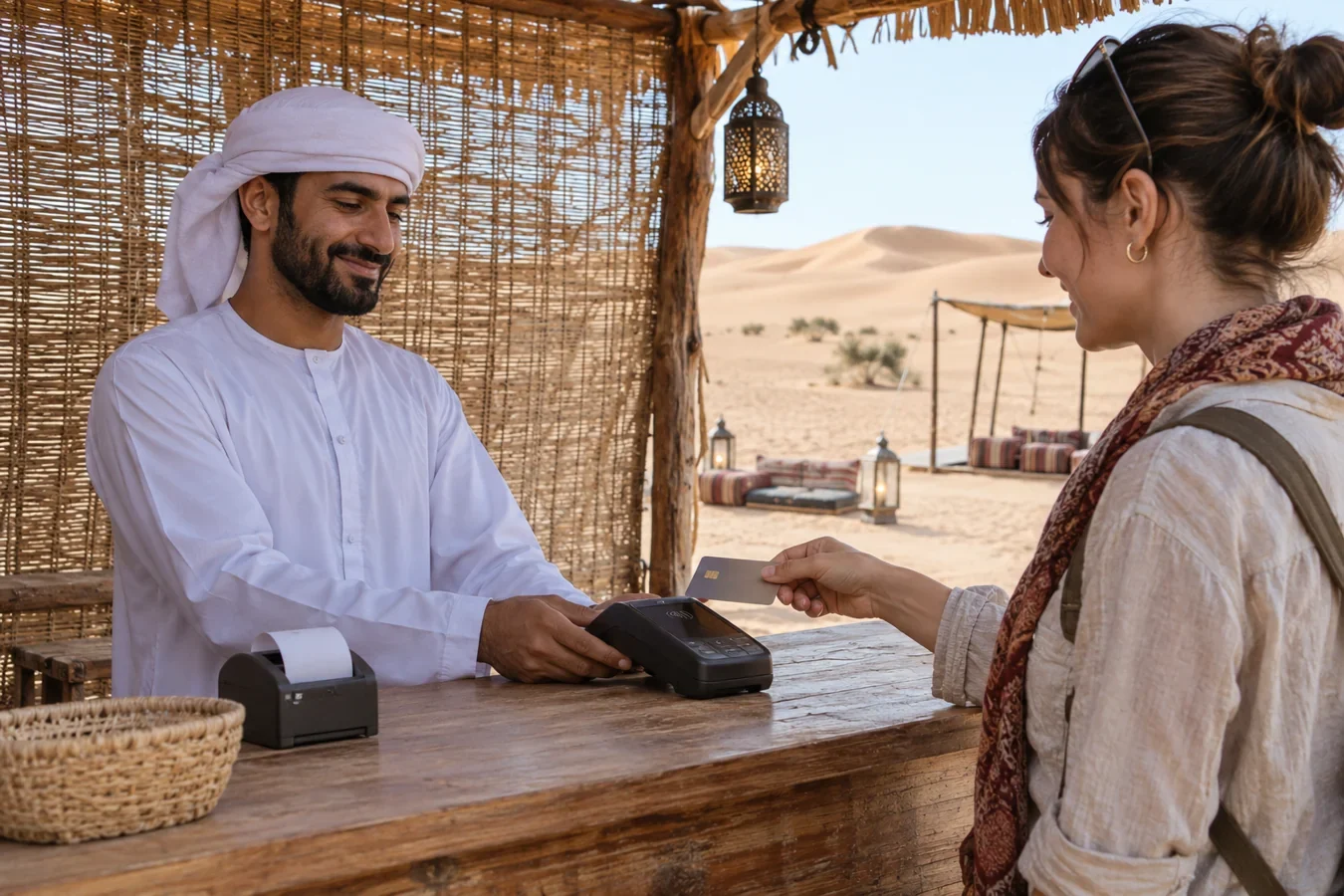
If one person pays the operator, agree how the other guests pay that person back. Use a simple shared note with the amount and due date. Share the operator's contact and booking details with the car leads while keeping personal payment details with the people who need them. Check that the person holding the receipt can also get help if a driver has a question about the booking.
If the operator lets guests pay separately, ask how to link each payment to the same group. The booking team may ask for a name or reference to match receipts. Ask who can see that the total has been paid before departure. Put confirmation of the final group and any included extras in one place so nobody has to count screenshots at the pickup point.
Plan the way home as carefully as the pickup
Ask where each car drops people off and what time window the operator expects. Guests who share a pickup may want to go to different addresses later. Tell the operator before you book and ask whether this is possible. If the cars have set routes, assign guests by return address when you can. It is easier to share a clear plan before the trip than to change it while the cars are lining up at camp.
Give the car leads a simple meeting instruction. For example, everyone can report to the same camp exit and then board their assigned vehicle. Ask how you will know which car is ready first. If some people need to be back earlier, get that option and its price in writing. The comparison of shared and private safaris can help when different return times are part of your decision.
Run through the plan once before booking
Imagine an organiser taking eleven guests from two hotels. They ask for two prices, one with each hotel as a separate pickup and another with everyone meeting at one hotel. They confirm the cars and tell the operator they want to sit together at dinner. Three guests want to check the cost of a ride, so the organiser asks whether there is a place for the other eight to wait. They make sure each guest knows which hotel their car will return to.
The organiser then sends one note with the date, expected pickup times, hotel entrances, names of the car leads and plan for paid activities. When the booking changes, they replace that note with the new version. This gives the group something it can actually follow. The Dubai safari booking checklist can help you put the final confirmation in order.
Give the group a clear plan if a vehicle falls behind
Ask where a late vehicle would catch up and how the team will tell both car leads. A car that arrives first might wait at a stop or continue to camp while the other car follows. A safe place to wait, a way to contact the operator and a clear decision about the next stop are the main things to confirm. If dinner seats or an optional ride have a set window, ask which part the operator would try to protect.
Keep one person responsible for a change
A late guest may call someone in the wrong car, or a driver may have an update for only one part of the group. Ask each lead to pass changes to the organiser. The organiser can then send one message with the new meeting place or departure time. Confirm that the other lead has seen it before both cars move on. If the operator has a different instruction, use the operator's instruction and update your group message to match.
If you are the organiser, keep the original plan close enough to compare it with a change. A new arrival time might affect the photo stop but leave dinner as planned. Tell your group which detail changed and where you need them to be. That short update is easier to follow than forwarding every message from the drivers, especially for someone who has already put their phone away.
Help guests share bags and supplies without getting separated
Ask people to carry what they will need while the cars are apart. If one car takes all the small bags, guests in the other car could arrive first without a jacket, water or a phone charger. Suggest a small bag per person or a bag shared only by people riding in the same car. Ask the operator about room for anything larger, especially if your group brings equipment or comes directly from a hotel checkout.
At the last stop, ask each lead to check their seating list and ask guests to look under their seats. Let the other car know when you leave and use the agreed drop-off address. A quick count works well if everyone knows whose name they should answer to. If a guest swaps vehicles, tell both leads and the driver so the right car waits for the right people. That simple change can prevent an unnecessary stop on the way home.
Frequently asked questions
1. Can a large group book a Dubai desert safari together?
Ask the operator about vehicles, activity stops and seating at camp for the exact headcount. The group may split between cars and meet at the same stops. Say which parts you want everyone to do together so the booking team can build a workable plan.
2. How many vehicles will we need?
Ask how many guest seats are available in the vehicles for your trip. Give the operator the adult and child counts and any seating needs. Confirm the number for both transport and any vehicle changes during the safari.
3. Can the vehicles collect us from different hotels?
Give the operator both addresses and ask for the pickup order, meeting points and total charge. Compare that with the cost of having everyone meet at one hotel. Ask when the vehicles will meet in the desert.
4. Will our group sit together for dinner?
Request seating together before you pay and ask whether that means one table or several nearby tables. If guests booked separately, share their booking references with the operator. Confirm how seating works when one vehicle arrives later.
5. Can only some guests add quad biking?
Ask whether the riders and other guests can travel together. Check where the riders go, how long the stop takes and where the other guests can wait. Get the extra price for the people taking part.
6. Is a group price always cheaper?
Compare complete quotes for the same dates, pickup addresses and activities. An extra car or a second hotel pickup can affect the total. Work out the final price for the group, then calculate the share for each person.
7. What happens if a guest drops out?
Ask about the deadline for changing numbers and how the price is calculated. A change may affect a ticket price or the number of vehicles needed. Check the cancellation terms and get a revised quote for your confirmed headcount.
8. Can one car leave before the rest?
Ask the operator about an early return for the exact guests and address. Check whether it needs a separate vehicle and how much it costs. Make sure the rest of the group still has a confirmed way home.
9. How do I keep everyone in touch?
Choose a contact for each vehicle and send one note with the itinerary and meeting points. Ask each contact to confirm when their guests board, arrive and return. Update both people if the operator changes the plan.
10. What details should I send for a quote?
Send the date, party size, ages of children if requested, pickup and return addresses, activity choices and seating needs. Ask for a total with clear inclusions and for the deadline to change the number of guests. That gives you a quote you can compare with another option.