Desert safari booking checklist: start with your date, your group and the trip you actually want. Those three details make every later decision easier. A booking should tell you who is travelling, where you will be collected, what is included and what the whole group will pay. When those answers are clear, you can spend less time worrying about the arrangement and more time enjoying the desert.
This guide takes you from comparing packages to being ready at the pickup point. It is written for someone booking a Dubai safari for the first time, but the checklist also helps returning visitors compare a different route. You can use our package comparison alongside it. The aim is one clear, confirmed plan rather than a folder full of adverts that describe different things.
Step 1: choose the Dubai date carefully
Write the local date you want to travel, including the month in words if there is any chance of confusion. Flights across time zones and arrivals after midnight can make a holiday calendar awkward. Check when you will actually be in Dubai and ready for an outing. Do not book the safari for the date printed on your flight departure from another country without checking the arrival details.
Give yourselves useful time around the trip. A safari immediately after a tiring overnight journey may not be the outing your group enjoys most. If the holiday allows it, choose a day when you can prepare without rushing. Where dates are tight, explain the limits to the booking team and ask about the available programme rather than forcing a plan around an assumed return time.
Check the rest of the day too
Look for attraction tickets, restaurant bookings, transfers and hotel moves already on the calendar. Add the travel between them. A free-looking hour is not truly free if it includes packing, checkout and crossing the city. Make the safari the main plan for its part of the day, and leave a sensible buffer around any other fixed commitment.
Step 2: agree on the group's main priorities
Ask each person what they most want from the trip. You might hear dunes, photographs, a camp meal, a quad-bike session or a calmer journey. Make a short list and identify anything essential. Do not let one traveller assume that everyone wants the most adventurous option. A useful group decision makes room for preferences before anyone pays for a package.
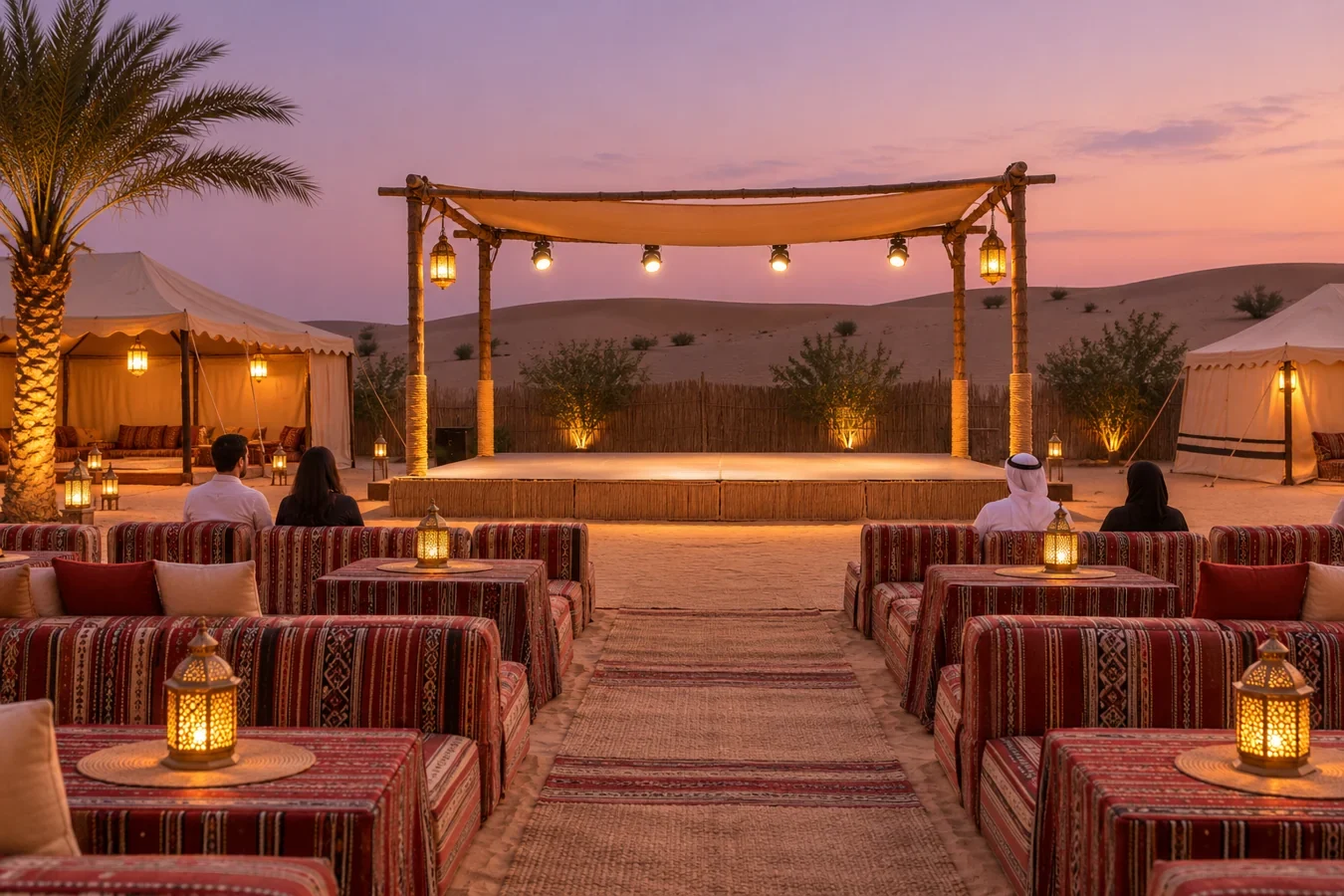
Then choose the named package that fits. The Classic Evening Safari is an evening programme with a camp meal and entertainment. The morning option is more compact. Lahbab focuses on a red-dune route. The private, quad-bike and gentle options each address a different preference. Read the actual description rather than treating every package as the same trip at a different price.
Separate timing from transport and activities
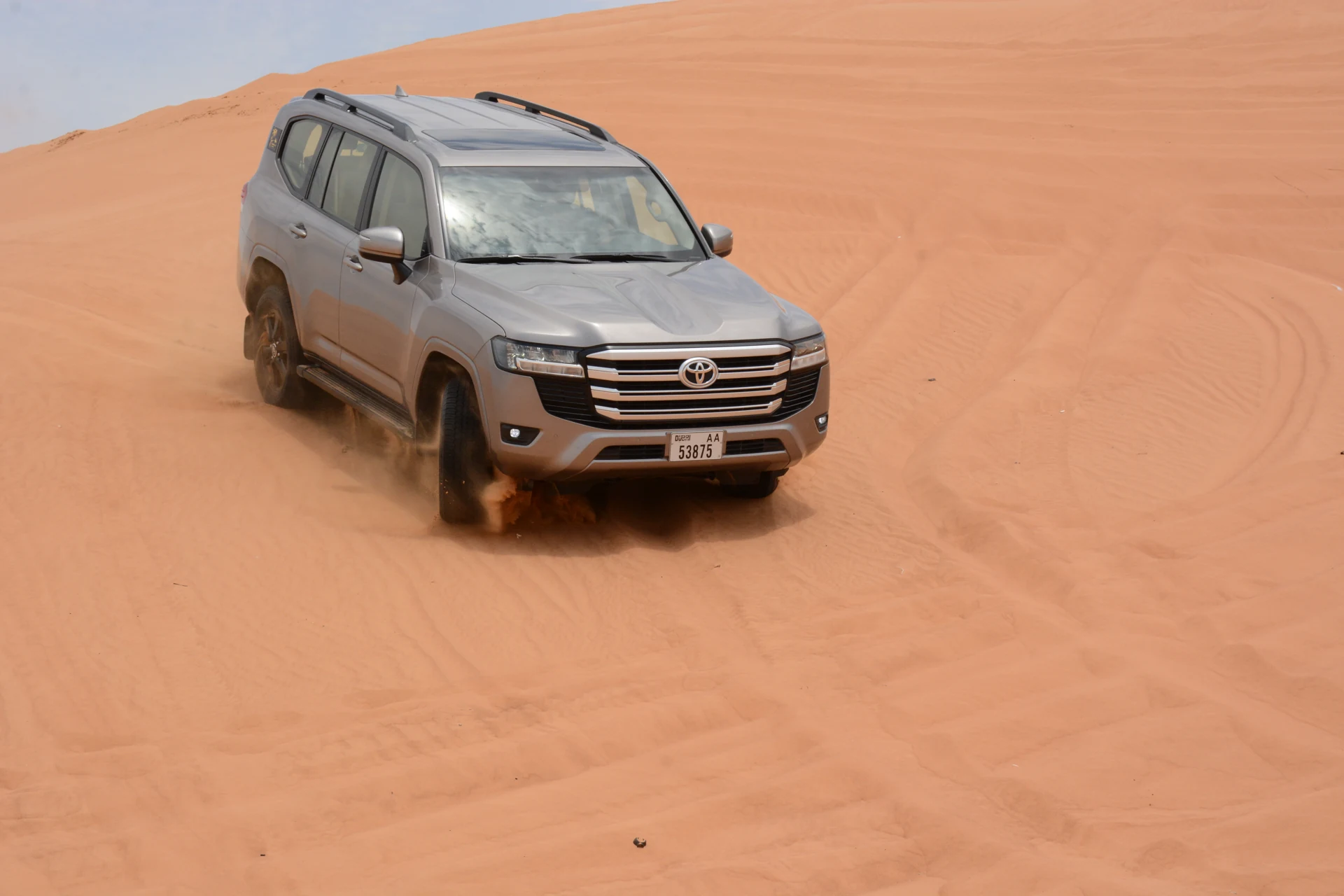
Morning or evening is one choice. Shared or private transport is another. Dune bashing, a quad session and camp seating are separate details again. Keep those choices distinct while comparing. Otherwise, it is easy to take the morning timing from one advert, the private vehicle from another and the dinner from a third, then expect all three within a single basic quote.
Step 3: give accurate guest details
Send the number of adults and children and the children's ages where relevant. Do not ask for a family rate without describing the family. The team needs real information to check capacity, participation requirements and transport arrangements. If another person joins later, ask for the booking to be updated and confirmed rather than assuming there will be an unused place in the vehicle.
Tell the team about any practical requirement that affects the journey or activities. This might involve a child restraint, a mobility aid, access needs or avoiding a particular activity. Share what the operator needs to arrange the trip; you do not need to disclose unrelated private details. An early, specific question is easier to answer than a surprise at collection.
Do not use a package name as a suitability guarantee
Family, private and gentle are useful descriptions, but they do not answer every participation question. Where a health concern affects an activity, seek appropriate advice and discuss the actual programme with the operator. If an essential arrangement cannot be confirmed, choose a suitable alternative. Paying for an upgrade does not by itself solve a safety or access issue.
Step 4: send the exact pickup address
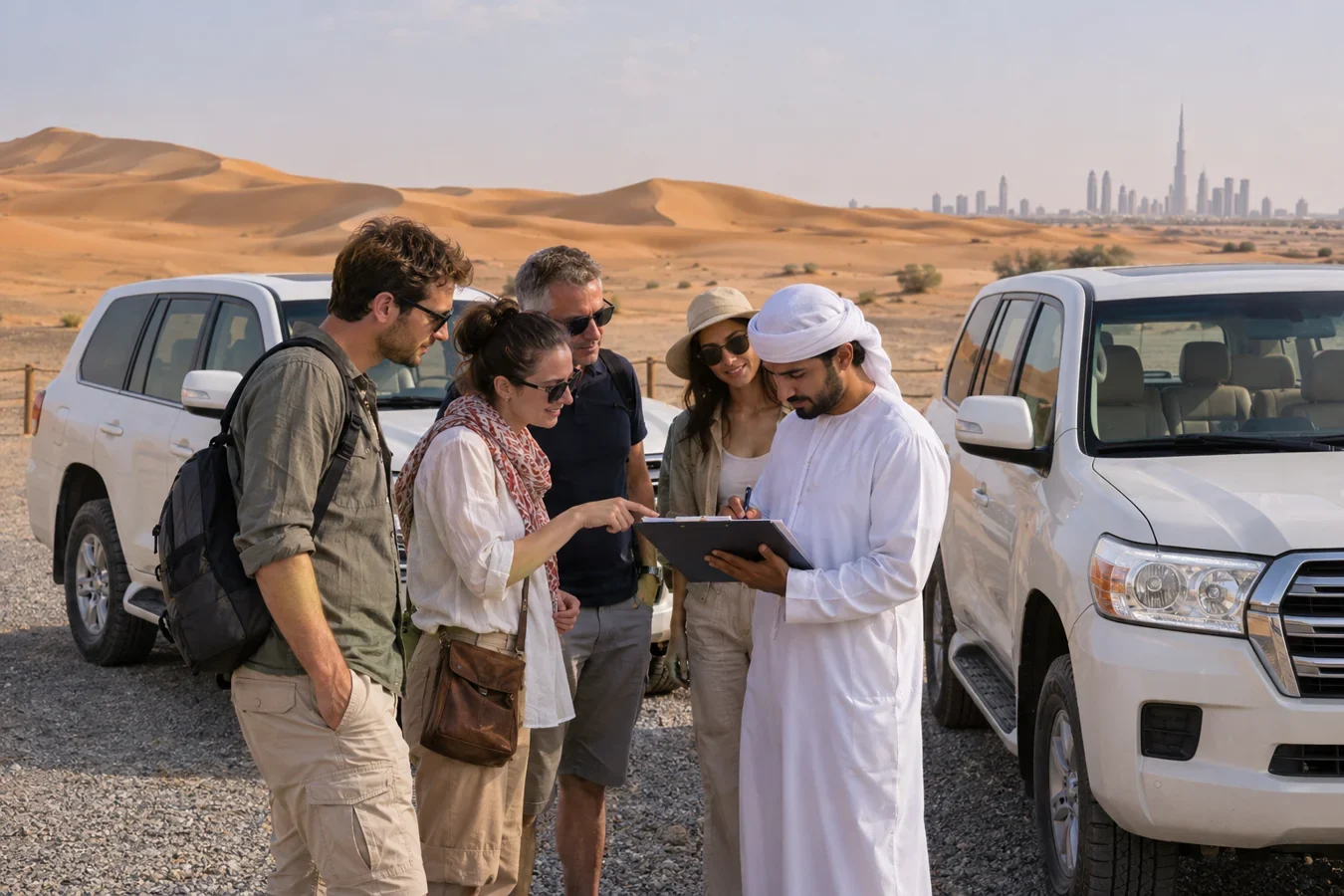
Provide the hotel name or collection address, not just a broad district. Ask whether that location is covered in the quote, how the collection window is confirmed and where you should wait. Some locations may use a meeting point or have access instructions. A map pin can help, but the written hotel or building name makes the conversation clearer.
Ask where you will be dropped after the outing too. Returning to a different address is a separate request that needs confirmation. If you move hotels before the trip, update the booking team promptly. Do not assume that the driver will see a hotel change made elsewhere in your travel plans or that a message to one member of staff updates every record automatically.
Discuss bags before collection
Tell the team about suitcases, a stroller, a mobility aid or other large items. A guest limit does not establish storage space for every possible bag combination. If you are checking out of a hotel that day, consider a confirmed luggage arrangement there rather than assuming the safari vehicle can carry everything. Check what the operator can accept before turning up with extra luggage.
Step 5: read the whole itinerary
Look for collection, road travel, desert activities, camp time and return travel. Ask whether the stated duration covers the complete outing. A long duration does not mean every hour is spent driving on dunes or doing activities. Shared pickups, transfers and waiting within the programme can all take time. Understanding that sequence helps you judge whether the trip fits your group.
Our safari timing guide explains the wider planning questions. Use the expected timing as a range, not a promise of arrival at the hotel at one exact minute. If you have a flight or another commitment, give the full details to the team. Do not create a tight connection simply because an advert lists an estimated duration.
Make the no-dune-bashing request explicit
If you want to avoid dune bashing, start with the Gentle Desert Safari and confirm the actual route. Do not rely on the idea that you can stay behind while the shared vehicle continues. Skipping an activity needs a practical arrangement for where you will be and how the group meets again. Resolve that plan before booking.
Step 6: check the price basis and total
Use the live safari rate guide to see current starting rates and whether they apply per person or per vehicle. Then request the total for your actual group and date. An advertised starting rate is not a held reservation. Capacity, transport, activities and your requested arrangement still need confirmation before you treat the amount as final.
Compare quotes using the same guest details. A shared outing for two adults cannot be fairly compared with a dedicated vehicle for six people simply by looking at the first number. Ask what is included for everyone and what costs extra. A clear total makes the decision easier than a low headline price followed by a long list of unanswered questions.
Check an upgrade by its benefit
If an upgrade is offered, ask what changes. VIP seating, private transport and extra activities describe different things. Ask whether the cost is per person, per group or for a session, and whether the upgrade is confirmed in advance. Choose it because the benefit matters to your group, not because the label sounds more complete than the standard package.
Step 7: identify the optional activities
Make a list of the activities you expect to do, then check each one against the selected package. If quad biking is important, look at the Safari + Quad Bike option. Ask about the session, designated riding area, briefing and participation requirements. A picture of a motor activity is not the same as a confirmed inclusion.
Read our quad bike and dune buggy comparison if you are unsure which experience you mean. Then ask about the actual product available through your booking. Vehicle type, duration and route matter. Avoid booking one activity because you saw a different vehicle in a video and assumed the two experiences were interchangeable.
Agree how your group will handle extra spending
Decide on an optional spending limit before the trip. You might want an activity, a photograph or a souvenir, or you might prefer the booked inclusions only. Ask the price and conditions before accepting anything additional. There is no obligation to purchase every service offered around a tourist activity. A clear no is easier when the group has already agreed on its priorities.
Step 8: confirm meals, drinks and seating
If your package includes a camp meal, ask about the current arrangement, included drinks and normal seating. Give any essential dietary or access requirement in advance. A buffet description does not confirm every ingredient or the handling needed for a food allergy. Ask the specific question and wait for an answer that addresses it before deciding the arrangement meets your needs.
For seating, describe the benefit you need: a chair with back support, seats together or easier access. Do not assume a label such as standard or VIP answers that question. A private vehicle does not automatically reserve private dining space. Confirm meal and seating details separately from transport so neither part of the outing depends on an unspoken assumption.
Plan food around the pickup window
The dinner inclusion belongs within the evening programme, not necessarily at the start of the outing. Plan your earlier meal around the confirmed collection time and your usual needs. Ask before bringing food that needs special storage or handling. Families may want a simple snack plan, but the operator should confirm what can be brought and what facilities are actually available.
Step 9: read change and cancellation conditions
Before payment, check the terms that apply to your actual offer. Note the deadline for cancellation, any charges, how changes must be requested and what happens if the operator changes the programme. Do not import a refund policy from a different tour, seller or marketplace. Keep the conditions with the booking confirmation so you can find them later.
Ask how weather or operating changes will be communicated. A phrase such as weather permitting explains that an activity depends on conditions, but it is not a complete refund policy. If the trip changes, use your reference and contact the booking team. Request a clear explanation of the options under your terms rather than assuming the original programme can run unchanged in every situation.
Save the details in one useful place
Keep the booking reference, local date, guest numbers, confirmed package, pickup instructions, contact details, total and accepted requirements together. A screenshot can help where a connection is weak, but make sure it is current. If you receive an updated confirmation, use that version. Old screenshots can create confusion when the date or pickup address has changed since the first enquiry.
Step 10: understand request versus confirmation
Submitting the booking request form begins the conversation. It does not by itself prove that seats, a vehicle or a special arrangement have been reserved. Wait for the team's response, check the details and follow the confirmed payment process. If an essential point remains unanswered, ask before proceeding rather than hoping the request form has settled everything automatically.
Keep payment instructions linked to the confirmed booking conversation. If something unexpected changes, verify it with the booking team through the contact details you have checked. Do not share unnecessary identity or payment information in an unrelated message. A sensible booking process is clear about what is needed, where it goes and which reservation it relates to.
The day before: make readiness easy
Review the collection window, prepare your clothes and charge your phone. Check conditions for your actual date and follow the operator's packing instructions. Our what to wear guide offers a more detailed discussion. Keep the bag manageable and tell the team about any newly changed practical requirement instead of leaving it until the driver arrives.
Agree a meeting point within your group if people are staying in different rooms or hotels. Allow time for lifts, checkout questions and walking to the agreed collection place. The pickup window is not an invitation to start getting ready when the driver calls. Being prepared makes the outing easier for your own party and for any other guests sharing the vehicle.
On the day: follow the confirmed plan
Be at the agreed point with the people and luggage described in the booking. Keep your phone available for practical collection messages. If you are running late or cannot find the meeting point, contact the team promptly using your reference. Do not quietly change the location and assume the driver can work out where the group has gone.
During the outing, follow the guide's instructions about vehicles, walking areas and activities. Tell staff if an agreed arrangement appears missing so they can check it. You can enjoy the programme without participating in every optional activity. Keep the return meeting point clear and inform the host before leaving the group for any separate arrangement that has been agreed.
A copyable message for a first enquiry
Hello, we would like a safari on this Dubai date. Our group has this number of adults and children, with these children's ages. We are staying at this hotel. We prefer this named package and have these essential requirements. Please confirm availability, pickup and return arrangements, the whole-group total, inclusions, optional charges and cancellation conditions before we proceed.
That short message does more useful work than sending several adverts and asking which is best. It gives the team a real trip to check. When the reply arrives, compare it with your checklist and resolve the gaps. The final decision should feel simple because the important details are visible, not because you have ignored the questions that could change the booking.
Frequently asked questions
1. What information should I send first?
Send the Dubai travel date, guest numbers, children's ages where relevant, exact pickup address and preferred package. Add essential participation, seating or access requirements. Ask for availability and a whole-group quote. Those details let the team check a real arrangement, which is more useful than a price request that leaves the date, location and group unclear.
2. Does submitting a booking form reserve my safari?
Treat the form as a request until the booking team confirms the arrangement and explains the next steps. Check the package, date, guest details and pickup before proceeding. If you have requested something essential, make sure the reply addresses it. Do not assume that a form submission alone guarantees a vehicle, activity session or special seating.
3. How do I avoid booking the wrong date?
Use the actual Dubai calendar date and check your flight arrival if you are travelling overnight. Write the month in words when a numeric date could be ambiguous. Read the confirmation carefully and compare it with the rest of your itinerary. A flight departure date from another country may not be the day you are ready for a Dubai safari.
4. Should I book morning or evening?
Choose according to your priorities and other commitments. Morning is a compact option, while the evening programmes include a camp-focused experience with dinner in their descriptions. Check the actual itinerary and return range. Do not fit either around a tight connection based only on a headline duration; allow for pickup and the journeys on both sides of the activities.
5. Can I bring a suitcase or stroller?
Ask before booking and give the relevant details. Passenger capacity does not automatically establish space for large bags, a folded stroller or a mobility aid. If you are changing hotels, arrange suitable luggage storage or a confirmed transport plan. Do not arrive with extra items and assume they can be safely fitted into a vehicle already arranged for the group.
6. How can I check that an activity is included?
Read the named package and ask the booking team to confirm the activity in your offer. For a motor activity, check the vehicle, session, riding area and participation conditions. Do not use a photograph or a video as proof. Optional activities should have a clear extra price, while included ones should be identifiable in the confirmed programme.
7. What should I ask about children?
Give ages and ask about transport restraints, activity eligibility, meal arrangements and the length of the programme. Family and private labels do not answer all those questions. Plan adult supervision if the group divides between activities. Choose the actual confirmed arrangement that suits your children rather than assuming that a lower child rate establishes suitability for every part of the trip.
8. Can I change the pickup hotel later?
Contact the booking team promptly and ask them to confirm the new address and any change in arrangements or cost. Do not assume a hotel change elsewhere in your holiday records updates the safari. Use the revised instructions once confirmed and keep them with your reference. A message requesting a change is not the same as an accepted update.
9. What if the weather changes the programme?
Ask how the operator will communicate changes and refer to the conditions for your booking. Outdoor activities can depend on the day's circumstances. A general weather permitting note is not a full explanation of every refund or alternative. Keep the terms available, contact the team with your reference and obtain a clear account of the options that apply.
10. What is the final check before payment?
Match the confirmation to your intended date, group, hotel, package, activities, meal needs and total. Read the cancellation conditions and make sure essential requirements have been accepted. Ask about anything unclear. Once those points match your plan, follow the confirmed payment process and keep the reservation details together for a straightforward start on the day.
Further useful reading
For broad inspiration, see Visit Dubai's official desert safari overview. Then use the actual package and your booking confirmation for the specific inclusions and conditions. General tourism information helps you understand the choices; the written offer is what lets you check the trip you are about to reserve.