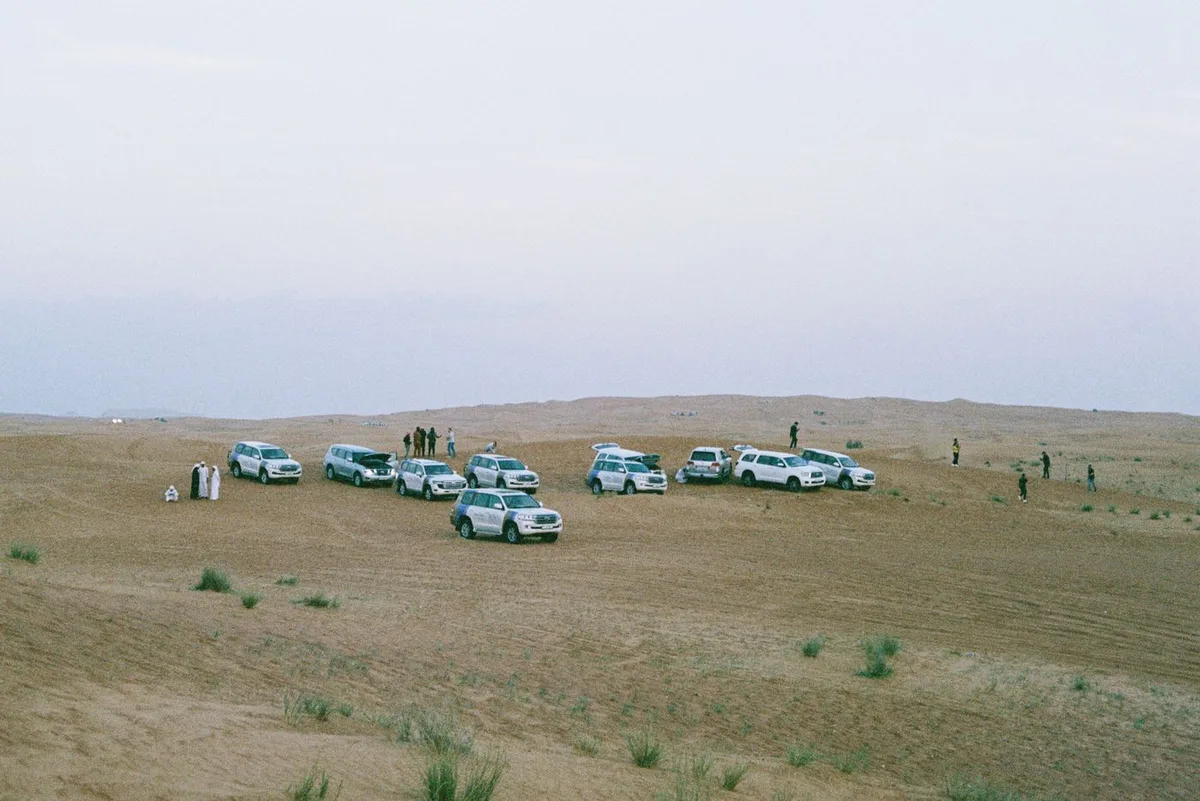
<p>Two friends, a family of four and a group of six can read the same desert safari price and reach very different totals. The reason is often simple: some prices are charged for each person, while others describe a vehicle or a package with different services. A useful comparison starts by asking what the number buys for your actual group. This guide explains how to compare a Dubai desert safari quote for two, four or six guests. It focuses on total value rather than chasing the smallest headline number. You will see how to separate common costs from personal extras, compare transport fairly and ask for a quotation that is easy to understand. Dubai Desert Safari Rates lists shared, private, morning, evening, gentle-route and activity-combination choices. These options serve different purposes. A group should compare the route, time away and confirmed inclusions before deciding that one price is better. No calculation in a general guide can replace the final quotation for your date, guest details and requests.</p><h2>Write down who is actually travelling</h2><p>Begin with the complete group. List adults, children and infants as the booking process requests, using accurate ages where needed. Do not turn everybody into adult places simply to make a quick calculation. Pricing, seating and activity participation may need separate checks for individual travellers. Next, note the pickup location, intended date and the general experience you want. A morning outing and an evening programme may involve different meals and time away. A gentle route and a more active desert drive are different requests. The group size only becomes useful once the service being compared is clear. Keep practical needs visible. A folded stroller, additional belongings or an essential access arrangement can affect the suitable vehicle or programme. Share the relevant requirement without sending unrelated private information. A quote built around incomplete details may need revision before the booking can proceed.</p><h3>Give the group one shared priority</h3><p>Choose whether the main aim is an active morning, a full evening, travelling together or a calmer route. This helps you compare options that solve the same problem. Otherwise, the least expensive total may simply belong to a different kind of outing from the one your group wanted.</p><h2>Identify the price unit before multiplying</h2><p>A price per person applies separately to the eligible guest places described by the provider. A price per vehicle refers to a defined vehicle arrangement with a stated capacity and scope. A price attached to an activity can describe one rider, a seat or a vehicle. Ask which unit applies to every line you are considering. Do not divide a vehicle price by the group's size until the provider has confirmed that the vehicle fits the complete group and the selected programme. An empty-looking seat in a photograph is not a seating plan. Relevant restraints, equipment, luggage and the actual vehicle all need consideration. Likewise, do not multiply a headline adult rate by every traveller when child or infant arrangements require checking. Ask for a total using your real group. This is simpler and more accurate than building a quote from several assumptions that the operator later has to correct. Use the <a target="_blank" rel="noopener noreferrer" href="https://dubaidesertsafarirates.com/desert-safari-dubai-price">safari price guide</a> to understand the categories, then ask for the current basis for your selected product. Treat published starting amounts as a way to identify an option, not as proof that every date and request has the same total.</p><h2>Compare the service before comparing the number</h2><p>Make a short list of what you want to compare: transfer arrangement, desert route, activities, meal, seating and return. Ask both options to answer the same questions. If one quotation includes a meal and the other does not, the two headline totals are describing different purchases. The same applies to transport. A shared pickup and a dedicated vehicle may both reach the desert, but the travel arrangement is different. Confirm whether the quote includes your pickup area and what happens at the end. A general statement that transfers are included should still connect to your actual address or agreed meeting point. Ask about time in the programme rather than counting words in the inclusion list. A brief activity opportunity is different from a timed session with defined arrangements. Dinner, seating and shows also need their own description where they matter to the group. Package names such as classic, premium or private do not establish identical services across providers. The <a target="_blank" rel="noopener noreferrer" href="https://dubaidesertsafarirates.com/desert-safari-dubai">main safari collection</a> is a useful shortlist. Choose comparable products from it instead of combining the lowest price on one page with the most attractive inclusion from another.</p><h2>What a two-guest comparison should consider</h2><p>For two guests, a shared product may offer a straightforward way to join the selected programme. A private vehicle may appeal if the dedicated arrangement solves a particular need. Neither is automatically the correct choice for a couple or two friends. Compare the full amount and the benefit you actually want. Ask why you are considering a private option. Is it to travel without other bookings in the vehicle, discuss a different pace or request a specific arrangement? Confirm whether the product supplies that benefit. Paying more for a label is less useful than paying for a clearly described service that matters to you. Two guests should also discuss optional spending. One may want a vehicle activity while the other prefers to watch. Ask whether different choices can be coordinated and what the non-participant will do. A base price for two people does not automatically include two places on every activity shown in promotional material.</p><h3>Keep the decision about the pair</h3><p>Do not let a large-group value calculation decide a two-person outing. The fact that a vehicle can carry more guests does not make unused places valuable to you. Compare what the dedicated arrangement changes for your own experience, then decide whether that benefit justifies the quoted total.</p><h2>What a four-guest comparison should consider</h2><p>Four guests often have more preferences to coordinate. They may include adults and children, two couples or friends with different activity interests. List the practical needs before requesting the price. A group that wants to stay together needs a clear answer about both transport and the main programme. Ask the shared and private proposals to state the same essentials. Can the pickup address be used? What route is confirmed? Which activities and meal arrangements are included? How will any requested seating or equipment be handled? The calculation is only helpful when the service is suitable. Discuss how the group will divide costs. A common vehicle arrangement may be shared equally, while an individual extra may remain personal spending. This is your group's decision, subject to the provider's accepted payment process. Agree it before one person pays, especially when one traveller wants a more expensive addition. Four people should also consider the whole day around the safari. A cheaper option that does not fit a fixed later commitment may not solve the planning problem. Tell the team about any important finish time before confirmation rather than assuming a map's driving estimate establishes the return.</p><h2>What a six-guest comparison should consider</h2><p>For six guests, a vehicle-based proposal may look attractive when divided into six shares. First confirm that the actual vehicle arrangement suits all six travellers, including their seating needs and belongings. Do not treat the advertised maximum as a guarantee that every possible combination of people and equipment fits. Ask what happens if the group grows or someone needs a different arrangement. An additional traveller can change the vehicle plan rather than simply adding one equal share to the existing price. Obtain an updated quotation and do not promise a spare place to a friend before the operator accepts it. A larger group benefits from one main booking contact. Several people sending different pickup addresses or activity changes can make a simple plan unclear. Gather decisions, send one final summary and ask the provider to confirm the accepted version with the complete group total. For a relevant starting point, review the <a target="_blank" rel="noopener noreferrer" href="https://dubaidesertsafarirates.com/tours/private-family-desert-safari-dubai">Private Family Safari</a>. Compare the actual dedicated arrangement with the shared option for the same date and needs. A lower cost per guest can be useful, but suitability and scope still come first.</p><h2>Use a simple calculation sheet</h2><p>Create one row for the base programme, one for transfer changes and one for each optional activity. Add meals or seating only where they are separately charged. Ask the provider which charges are already included so the same item is not counted twice. Your sheet should explain the final total, not invent additional fees. For a per-person quotation, record the confirmed price category and number of people in that category. For a vehicle quotation, record the accepted number of vehicles and the scope covered by each. Then add the separately confirmed items. Do not mix the two methods halfway through the calculation. A useful comparison can use letters while you wait for a quote. If a provider gives a confirmed per-person amount P for two identical adult places, the base total is two times P. A confirmed vehicle amount V is not multiplied by the number of passengers. These are calculation methods, not published prices or promises that a product uses that particular basis.</p><h3>Show the total and the share separately</h3><p>The group total is what the booking costs. A per-guest share is how you choose to divide it. Keep both visible. This prevents a vehicle amount being mistaken for a person amount and makes it easier to explain what happens when the agreed number of travellers changes.</p><h2>Keep optional activities on their own lines</h2><p>An optional quad-bike session, a seat upgrade or another purchased item can change the total quickly. Ask for the unit, duration, riding area and relevant participation requirements before adding it. An activity photograph is not a price specification, and “included” needs a clear description of what is included. If only some guests want the extra, request the cost for those participants and the practical plan for everyone else. Ask whether the main group stays together, where non-participants wait and how the session affects the itinerary. A group should not compare activity value while ignoring the waiting arrangement it creates. The <a target="_blank" rel="noopener noreferrer" href="https://dubaidesertsafarirates.com/tours/desert-safari-dubai-with-quad-bike">Safari plus Quad Bike</a> page can help you identify the relevant combination. Verify the current product details before treating any session as part of another package. Rider and passenger conditions belong with the exact activity you buy. Also ask what remains enjoyable if you skip the extra. The base programme should be understandable on its own. You should not need to purchase an unexpected addition to obtain the experience you thought you had already booked. Raise that question before payment, when the quote can still be clarified.</p><h2>Compare time and comfort without inventing a cash value</h2><p>Some benefits are difficult to reduce to a number. Travelling together, a confirmed quieter route or a seating arrangement may matter greatly to one group and very little to another. Describe the benefit and ask whether it is supplied. You do not need a made-up monetary value to decide that a practical need is important. Think about the people who will experience the day differently. Someone who wants to avoid rough movement may value the <a target="_blank" rel="noopener noreferrer" href="https://dubaidesertsafarirates.com/tours/desert-safari-without-dune-bashing-dubai">Gentle Desert Safari</a> more than an active option with a longer inclusion list. Ask for the actual route and confirm the whole outing against the group's needs. A shorter programme can also be useful when the evening is already planned. A full evening may offer the meal and shared time another group wants. Compare the programme's job within your holiday. The cheapest hour of advertised activity is not necessarily the best way to spend your available day. Do not ask a general guide to decide individual health or activity suitability. Seek appropriate professional advice where needed and discuss the practical experience with the actual provider. A price comparison only becomes useful after the option is appropriate for the people taking it.</p><h2>Check payment, changes and cancellation separately</h2><p>Ask what happens after the quotation is accepted. Identify the booking reference, accepted payment method and any steps still required. A price enquiry, a saved reference and a final confirmation can play different roles. Read the instructions supplied for your own booking rather than assuming every website follows the same process. Check which change and cancellation rules apply to transport, tickets and activity additions. A flexible discussion with the team does not automatically make every supplier item changeable without cost. Keep the accepted conditions with the receipt and confirmation so the organiser can find them if plans change. If a traveller drops out, ask for the revised position before promising the group a lower total. A per-person product and a vehicle-based booking can respond differently to a changed guest count. The provider's terms determine the actual adjustment, while your friends decide how to handle any private cost-sharing agreement. Use the <a target="_blank" rel="noopener noreferrer" href="https://dubaidesertsafarirates.com/contact">contact page</a> when a quote needs clarification. State the reference, the original group and the proposed change. A focused question is easier to answer than a new enquiry that omits the details of the booking already under discussion.</p><h2>A practical comparison for three group sizes</h2><p>Imagine the same organiser enquiring for two, four and six guests on different dates. The goal in every case is a confirmed evening programme, but the people and practical needs change. The organiser requests the applicable shared total and a suitable dedicated-vehicle alternative for each real group, rather than applying one old quote to every situation. For two people, the comparison centres on whether the dedicated benefit matters enough to them. For four, the group checks mixed activity choices and the cost-sharing method. For six, capacity and belongings receive careful attention before the vehicle amount is divided into shares. These are different questions even when the desired sunset view is similar. The organiser does not copy the meal from one proposal into the other or assume that all optional sessions are identical. Each quotation is checked for its own route, pickup, activities, exclusions and return. Where a detail is missing, the organiser asks for it instead of filling the gap with a favourable guess. The result is not a universal winner. It is a clear decision for each group. That is what a good rate comparison should achieve: enough shared information to choose confidently, without pretending that every traveller values the same feature or that every package with a similar name is the same purchase.</p><h2>Ten frequently asked questions</h2><h3>1. Is a private safari cheaper for six people?</h3><p>It may compare favourably in some quotations, but do not assume that before checking the actual total and scope. Confirm the vehicle suits all six travellers and their needs. Compare the same date, route, activities and meal arrangement. A low per-guest share is only useful when the confirmed product is appropriate for the whole group.</p><h3>2. Should two guests always choose a shared safari?</h3><p>No. A shared option may be a straightforward choice, while a dedicated arrangement may solve a particular preference or practical need. Ask what the private service changes and compare the complete total for two. Do not buy unused capacity simply because dividing a vehicle amount among a larger imaginary group would look economical.</p><h3>3. How should we calculate a per-person quote?</h3><p>Use the provider's confirmed categories and the real number of guests in each category. Add only separately confirmed items. Do not assume every child or infant is charged as an adult, or that a published starting figure applies unchanged to your date. Requesting the complete total is often simpler than trying to reconstruct it from several pages.</p><h3>4. Does a per-vehicle price include every activity?</h3><p>Only the stated scope is included. A vehicle-based amount describes the confirmed transport or package arrangement; it does not automatically provide every extra sold on the website. Ask for activities, meals, seating and exclusions to be identified separately. This makes it easier to compare the vehicle proposal with a per-person option fairly.</p><h3>5. What if only two of four guests want a quad session?</h3><p>Ask for the activity cost and practical arrangement for those two eligible participants, together with the plan for the non-riders. Check waiting, transport and meeting details. Do not assume the group can split freely at the activity point. A useful quote should describe how the different choices fit the same outing before you pay.</p><h3>6. Can we divide a vehicle price equally between friends?</h3><p>You can agree a private cost split with your friends, subject to the provider's accepted booking and payment process. Keep the full booking total visible and identify any personal additions. Decide how changes will be handled before one organiser collects money. The provider's cancellation rules and your group's private sharing arrangement are separate matters.</p><h3>7. Do children count when checking vehicle capacity?</h3><p>Give the operator the complete group, including children and infants, and ask it to confirm the actual seating arrangement. Relevant restraints, equipment and belongings can also affect suitability. Do not count capacity from a photograph or treat a child price as proof of a particular seat allocation. Resolve those details before accepting the vehicle proposal.</p><h3>8. Why do similar safari quotes have different totals?</h3><p>They may include different transfer arrangements, routes, meals, seating, activity sessions or other services. Dates and accepted requests can also affect the proposal. Ask both quotations to answer the same practical questions. A headline number alone cannot show whether you are comparing the same purchase, so check the scope before deciding which total offers better value.</p><h3>9. Should we choose the longest programme for the money?</h3><p>Only if its extra time serves your group. A shorter outing may fit your holiday better, while another group may want a full evening. Include transfers and ordinary waits in the time comparison. Paying for more advertised hours is not automatically useful if the programme conflicts with your practical needs or another important commitment.</p><h3>10. What is the clearest quotation request?</h3><p>Send the local date, complete guest details, pickup area, preferred style and essential practical needs. Identify optional activities separately and ask for the complete total, pricing basis, inclusions, exclusions and return arrangement. Request comparable alternatives where helpful. A short accurate brief gives the team a better starting point than asking only for the cheapest safari.</p><h2>Make the final total easy to explain</h2><p>Before accepting the quote, ask the organiser to explain it in two sentences. The first should say what the whole group is buying. The second should identify anything that each traveller may choose and pay for separately. If that explanation is difficult, check whether the quote still combines several assumptions or leaves an important service unnamed. Keep a copy of the accepted version rather than relying on a screenshot of an earlier starting price. Include the date, group and reference so the amount can be matched to the right request. When a detail changes, ask for a revised version and show it to the people sharing the cost. This small habit is useful for two guests and even more helpful for four or six. It turns the price conversation into one clear decision, leaving the group free to look forward to the desert instead of continuing to calculate during pickup.</p>
Dubai safari guide
Desert Safari Quote for Two, Four or Six Guests: Compare Total Value
Compare a desert safari quote for two, four or six guests. Check pricing units, transport, optional activities, group totals and what your booking includes.